






Every year, Christmas feels familiar: lights in the streets, family dinners, and the same playlist repeating everywhere you go. But the moment you travel through Europe in December, you quickly realise something different. Not every country celebrates Christmas the same way. In fact, some Christmas traditions across Europe are so unique that they completely change the idea of what the festive season looks like. From wooden characters to old legends and surprising rituals, discovering how Europeans celebrate helps you understand the continent in a more personal and meaningful way.
Whether you’re already living abroad, preparing to relocate, or just curious about cultural differences, learning about European Christmas traditions is a great way to get closer to the places you visit or call home. Below, you’ll find some of the most interesting Christmas traditions across Europe that many people outside the continent have never heard about.
Spain: Lotteries, wooden characters, and grapes for good luck
Spain offers some of the most memorable festive customs in Europe, combining community spirit with rituals that have been part of the culture for generations.
The Christmas lottery everyone watches
On the 22nd of December, the entire country follows the Christmas lottery, El Gordo. This is far more than a simple draw. It’s a national tradition shared by millions. Families and colleagues buy tickets together, creating a feeling of unity and excitement. What makes the event even more unique is the way the winning numbers are sung by schoolchildren live on national television. It’s emotional, festive, and one of the Christmas moments most deeply rooted in Spanish culture.
Caga Tió: Catalonia’s most unexpected Christmas character
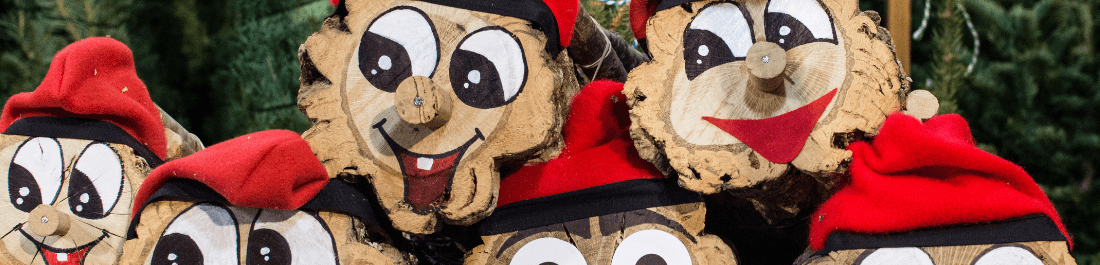
In Catalonia, families prepare a wooden log with a painted face called Caga Tió. Children cover it with a blanket and pretend to feed it throughout December. On Christmas Eve, they gather around, sing traditional songs, and gently tap the log. According to tradition, the log “reveals” small presents. It’s one of the most charming and fun European Christmas traditions, especially for children who grow up with this unique ritual.
A race at midnight: The twelve grapes
As the New Year arrives, Spaniards eat twelve grapes at midnight, one for each clock strike. It sounds simple, but finishing them in time becomes a challenge that brings families and friends together in laughter. The tradition is believed to bring good luck and is one of the most memorable festive experiences for anyone celebrating the New Year in Spain.
Germany: Markets, candlelight, and legends from the Alps
Germany is famous for its strong Christmas identity, and many of the most recognisable holiday symbols have roots in German culture.
Christmas markets that feel like villages
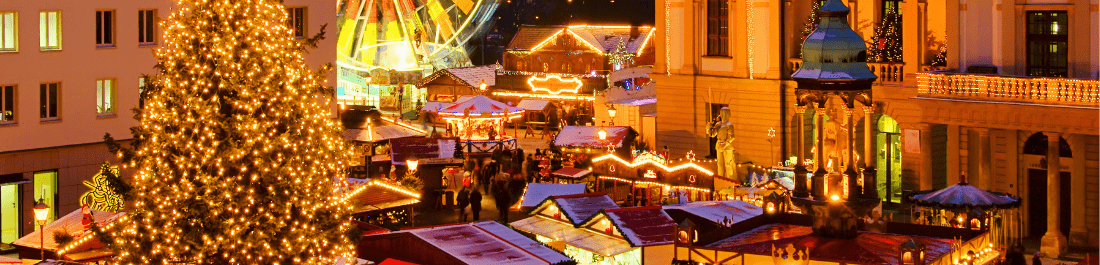
Throughout December, German cities host Christmas markets that attract millions of visitors every year. Filled with bright lights, wooden stalls, warm drinks, and traditional food, these markets represent one of the most iconic European Christmas traditions experiences. Whether you wander through the markets in Munich, Berlin, or Nuremberg, each one feels like stepping into a cosy festive world.
Krampus: A Christmas tradition with a darker side
In some Alpine regions, Christmas isn’t only about Saint Nicholas. It also includes Krampus, a creature from old folklore known for scaring misbehaving children. Many towns organise Krampus parades, where people dressed in elaborate costumes walk through the streets in early December. It’s dramatic, surprising, and one of the most unusual Christmas traditions across Europe.
The calm of the Advent wreath
Many German families celebrate the Advent season with a wreath holding four candles. Each Sunday before Christmas, they light one candle. This ritual creates a sense of calm and anticipation, reminding people to slow down and enjoy the weeks leading up to the holiday.

Iceland: Thirteen Yule lads and a legendary Christmas cat
Iceland’s festive season stands out thanks to its folklore, creativity, and unforgettable characters.
Thirteen visitors instead of one Santa
In Iceland, Christmas comes with the arrival of the thirteen Yule Lads. Each night during the thirteen days before Christmas, one Yule Lad visits children and leaves a small gift or, if they haven’t behaved, a potato. What makes this tradition special is that each Yule Lad has a distinct personality. Names like Spoon-Licker and Door-Slammer add humour to the season and create excitement for children throughout December.
The Yule Cat: A Mythical Christmas Guardian
Alongside the Yule Lads comes the Yule Cat, a giant mythical creature that appears on Christmas Eve. The story says that only people who receive new clothing for Christmas are safe from its visit. Historically, the tale encouraged families to finish their winter work, since helping with the seasonal work meant earning a new piece of clothing. Those who didn’t contribute were said not to receive anything new and therefore became “targets” for the Yule Cat.
Today, the idea is much lighter, and the tradition is simply reflected in the habit of gifting warm clothes at Christmas. It keeps the old legend alive and makes the Yule Cat one of Iceland’s most memorable festive symbols.
Italy: Folklore, food, and family celebrations
Italy mixes culture, food, and storytelling to create festive traditions that feel warm and full of life.
La Befana: The Christmas witch children love
On the night of 5th January, Italian children wait for La Befana, a kind witch who brings sweets to those who have behaved well. According to the legend, she refused to join the Three Wise Men on their journey and has been searching for the baby Jesus ever since. La Befana’s arrival marks the end of the holiday season and remains one of Italy’s most cherished Christmas traditions.
Presepi in Naples: Nativity scenes as works of art
In Naples, nativity scenes are more than decorations. Known as presepi, these miniature worlds often include shops, streets, and tiny figures that represent everyday Italian life. Visiting Naples in December means discovering one of the most artistic interpretations of Christmas in Europe.
Panettone and Pandoro: Holiday classics
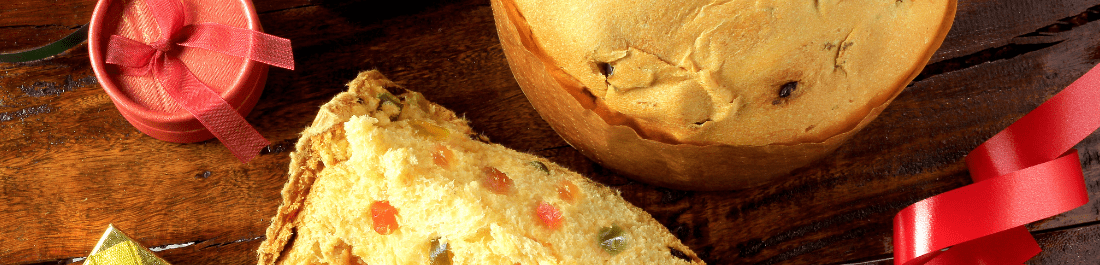
Christmas in Italy wouldn’t be complete without Panettone and Pandoro. Panettone is soft, airy, and filled with fruit, while Pandoro is simple, buttery, and dusted with sugar. Both are symbols of Italian holiday baking and an essential part of family celebrations.
Christmas may be celebrated worldwide, but exploring Christmas traditions across Europe shows how diverse and meaningful the season can be. From Spain’s grape challenge to Iceland’s Yule Lads, Germany’s markets, and Italy’s festive stories, every country adds something unique to the holidays. These European Christmas traditions are more than curiosities. They’re cultural expressions that help you connect with the people and places you encounter, whether travelling, living abroad, or starting a new chapter in a different country.