




Although International Women’s Day has just passed, the conversation around gender equality in the workplace should not be limited to a single date in March.
One of the most persistent and debated topics remains the gender pay gap in Europe, which in 2026 continues to raise both ethical and strategic questions for organizations.
For HR teams and recruiters, this is no longer just a reputational issue. It is increasingly tied to compliance, talent attraction, and long-term business performance.
However, before discussing solutions for employers, it seems important to understand where this gap comes from, why it still exists, and whether legal enforcement alone can truly solve it or not. In this article you will find all answers to those questions.
The origin of the gender pay gap: How it started?
The truth is that the gender pay gap is not a recent phenomenon. Quite the opposite - it is deeply rooted in the historical structure of labor markets across the world.
For decades, economic systems were built around a clear division of roles: men were expected to participate in paid work, while women were mainly responsible for unpaid domestic and caregiving duties. This way, the labour stereotypes, and respectively the society, continued limiting women’s public figure in terms of capabilities and right to have an opinion.
Afterwards, when women gradually entered the workforce, they were often concentrated in lower-paid sectors, with limited access to leadership positions or career advancement opportunities.
Over time, these patterns became embedded in organizational structures and compensation systems, without anyone noticing this phenomenon. Even as legal frameworks evolved to promote equality, many of these structural imbalances persisted.
Following the line up until today, where the gender pay gap is less about explicit discrimination and more about systemic factors that have accumulated over the past decades.
Understanding this origin is essential for HR teams, as it explains why the issue cannot be resolved through policy alone. This global issue requires structural change and continuous progressive development.
Gender pay gap today
Having explained that, let’s take a quick look at how the gender pay gap looks like nowadays, considering the economic background of Europe in the past few months of 2026.
What does gender pay gap really mean in today’s context?
Very often, people misunderstand the term “gender pay gap”.
It does not necessarily refer to men and women being paid differently for the same job, which is important to clarify that is already illegal under EU law.
Instead, it reflects the average difference in earnings between men and women across the entire workforce.
Looking over to the European labour market in 2026, women in the EU still earn on average less per hour than men, although you should keep in mind that the gap varies significantly between countries.
Providing more clarity around why it is important to make this distinction is an essential step, as the gender pay gap highlights broader patterns. Those could be:
-
differences in career progression
-
representation in leadership roles
-
distribution across industries.
For European employers, this means the issue is not always visible at the individual level at first sight, but becomes evident when analyzing workforce data as a whole.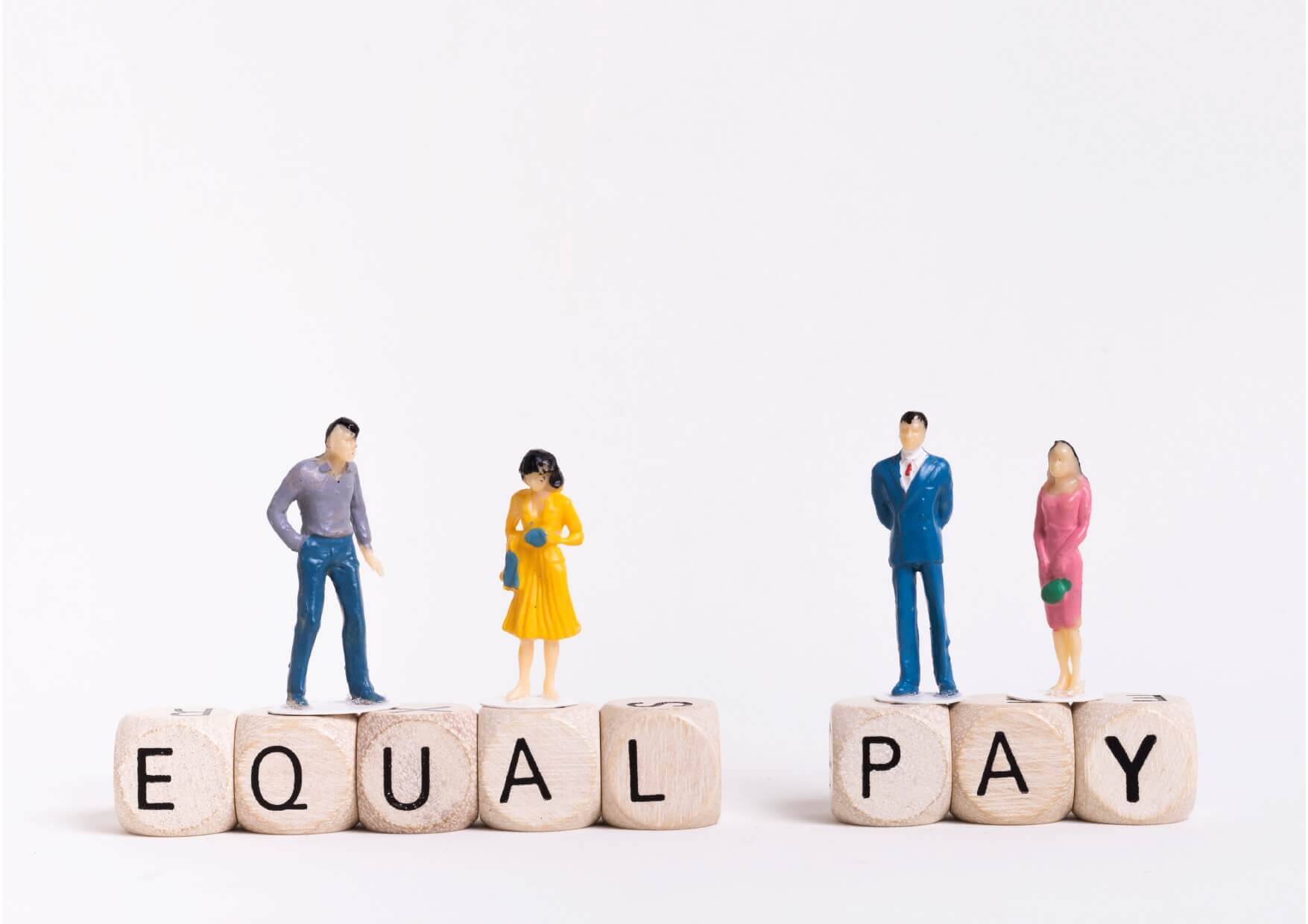
Why does the gender pay gap still exist in 2026?
Despite progress over the years, the gender pay gap remains a reality in Europe due to a combination of structural and organizational factors.
One of the main contributors is occupational segregation, meaning the uneven distribution of workers across and within occupations based on demographic characteristics, like their gender.
That is why in today’s labour market, women are more likely to work in sectors that are traditionally lower paid, such as education, healthcare, or administrative roles. At the same time, higher-paying industries like finance, technology, or engineering often remain male-dominated.
Another important factor to be considered is the leadership gap. Women are still underrepresented in senior and executive positions, which naturally impacts overall salary averages. Even within the same organizations, career progression paths may not have anything in common due to access to opportunities, mentorship, or visibility.
Additionally, career interruptions related to caregiving responsibilities continue to play a huge role in this matter. Women are more likely to take breaks or work part-time, which affects firstly the gender diversity within the team, but mostly the long-term earning potential and career building of women.
Finally, all lack of pay transparency and unconscious biased decision-making from HR managers and teams, can further widen the gap.
Such factors as promotions or/and salary negotiations are often subtle and don’t seem that serious. However, their cumulative effect could be quite significant in the long-term.
For HR professionals, the key takeaway from all mentioned above is that the gender pay gap is not caused by a single problem. It is rather the result of multiple interconnected dynamics within the workplace.
Where is the wage gap most visible?: Industries and patterns
It is important to specify that the gender pay gap does not affect all industries equally. In fact, it tends to be more pronounced in sectors where:
-
salaries are higher overall
-
leadership roles are concentrated
-
performance-based compensation is common.
Industries such as finance, technology, and manufacturing often show larger gender gaps, partly due to the underrepresentation of women in senior roles.
On the other hand, occupations with higher female employability may still experience gender payment gaps due to differences in role distribution and career progression.
Another interesting and essential to know pattern is that the gap tends to increase with seniority. Entry-level roles may show relatively balanced compensation, but the inequality in the medium wage often grows at managerial and executive levels.
That is why recruiters are experiencing quite a big challenge: addressing the gender pay gap is not only about hiring, but also about long-term retention, promotion, and leadership development.
But how does this affect the hiring process?
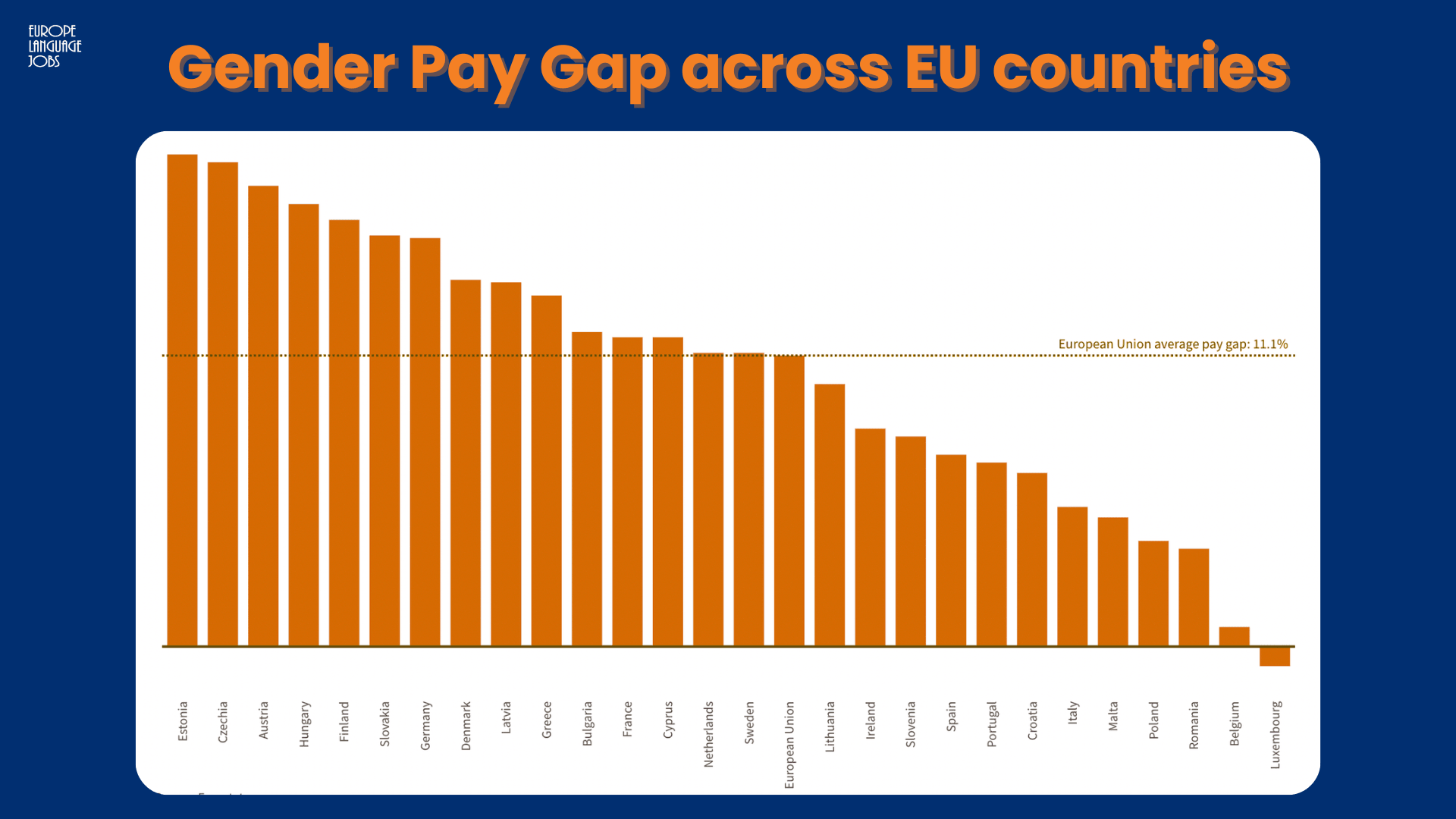
Source: European Council
Why does this matter for HR teams and employers?
For HR teams, the gender pay gap is no longer just a social responsibility kind of topic. It transformed its purpose to a strategic business problem.
First, it directly impacts talent attraction and retention in the long-term. Candidates today are more informed and more selective when it comes to choosing their occupation. That is why organizations that demonstrate fairness and transparency around this topic are more likely to attract top talent.
Second, the gender pay gap might also influence employer branding. Companies that fail to address pay equity clearly towards their employees risk damaging their reputation, particularly among younger professionals who value gender diversity and inclusion.
Third, it affects employee engagement and trust-building. It won’t surprise you that if an employee has a perceived inequality in compensation, this could lead to lower motivation from their side. But not only. The gender gap then causes a higher turnover and respectfully, reduced productivity from the team.
Finally, there is an increasing legal and compliance dimension. With new EU regulations, companies are expected to be more transparent and accountable in how they manage pay structures within their internal organization.
In this context, addressing the gender pay gap is all about building a sustainable and competitive organization, rather than just “doing the right thing”.
Legal pressure is increasing: What’s changing in Europe?
Having in mind everything said until now, it is also important to put a highlight on the precautions taken by the European leaders.
The European Union has taken significant steps to address pay inequality through the introduction of the Pay Transparency Directive.
In other words, this regulation aims to ensure that employees have access to clear information about wage ranges and that companies are accountable for unjustified pay differences. In this regard, it is important for employers to know that they may be required to:
-
disclose salary ranges in job postings
-
provide employees with information about pay levels
-
report on gender pay gaps within the organization.
The goal of this directive and the direction that the EU is aiming for are clear: pay transparency to become the new standard.
That is why, recruitment teams across Europe have to shift their mindset from reactive obedience to proactive preparation. Companies that start aligning their compensation practices now will be better prepared and positioned to adapt to these regulatory changes.
What can employers realistically do about it?
While all legal precaution actions play an important role, real progress into closing the gender gap across Europe depends on what companies do internally, in order to resolve the issue.
One of the most effective steps to help the gender pay gap to disappear is conducting regular pay audits to identify and address imbalance. Like this, employers provide visibility into compensation structures and help ensure consistency across all roles.
Improving transparency in hiring and promotion processes is another key action that recruiters should take into consideration. Being transparent about salary ranges and standardized evaluation criteria reduces the risk of bias and creates a more predictable system, closing the gap.
It is essential as well for companies to focus on career development opportunities, ensuring that women have equal access to leadership roles, mentorship, and advancement pathways for career growth.
Last but not least, building inclusive workplace policies, such as flexible working arrangements and support for caregivers, will noticeably reduce all structural barriers that impact long-term earnings.
The goal is not to implement isolated actions, but rather to create a coherent and fair internal system for organizations that supports all employees at all levels equally.
Is legal enforcement enough to make the gender pay gap disappear?
At the end, the question still remains: can legal frameworks alone eliminate the gender pay gap in today’s economic environment?
The truth is that while regulation is a powerful tool, it is not a complete solution. Laws can enforce transparency and accountability, but they cannot change that easily centuries of stereotypical norms build in the society’s mindset. Legal precaution actions that are being taken in 2026 by the EU are mostly aiming to fully address cultural norms, organizational behaviors, or unconscious biases.
This is where HR teams play a crucial role. They are the ones shaping hiring practices, compensation structures, and workplace culture on a daily basis.
In the end, closing the gender pay gap is not just about compliance, but rather about commitment. The companies that succeed will be those that go beyond legal requirements and actively try to build environments where fairness is embedded in every corporate internal decision.
Equal pay is way more than “just a legal obligation". The closing of this gap should be considered as a revolutionary reform and a reflection of how companies define value.