





Every year on May 9th, Europe celebrates something that many people don’t seem to even notice and recognise as a special date during this month.
There are no big decorations, no days off, nor any major celebrations across the countries on the continent.
And yet, Europe Day marks one of the most important ideas shaping modern Europe: unity.
So, it naturally raises the question: Should Europe Day be part of Germany’s holiday dates in the official calendar?
This is why in this article, we invite you to dig in and take a closer look at what this day really means and why it might deserve more attention.
What does Europe Day celebrate?
Before getting into the main question of this article, it seems important to give more insights on what Europe Day is.
Europe Day is all about peace, unity, and cooperation between European countries.
It commemorates the moment when European nations decided to work together instead of against each other. This itself is a turning point that helped shape the European Union as we know it today.
While the historical background behind it can get quite detailed and complicated, the core idea is simple: countries choosing collaboration over conflict!
This is why today, Europe Day stands as a reminder of how interconnected European countries have become in many and diverse aspects: economically, politically, and culturally.
What are some interesting facts about Europe Day?
Even though it’s not widely celebrated everywhere, Europe Day has some interesting details behind it. Here are some of them:
-
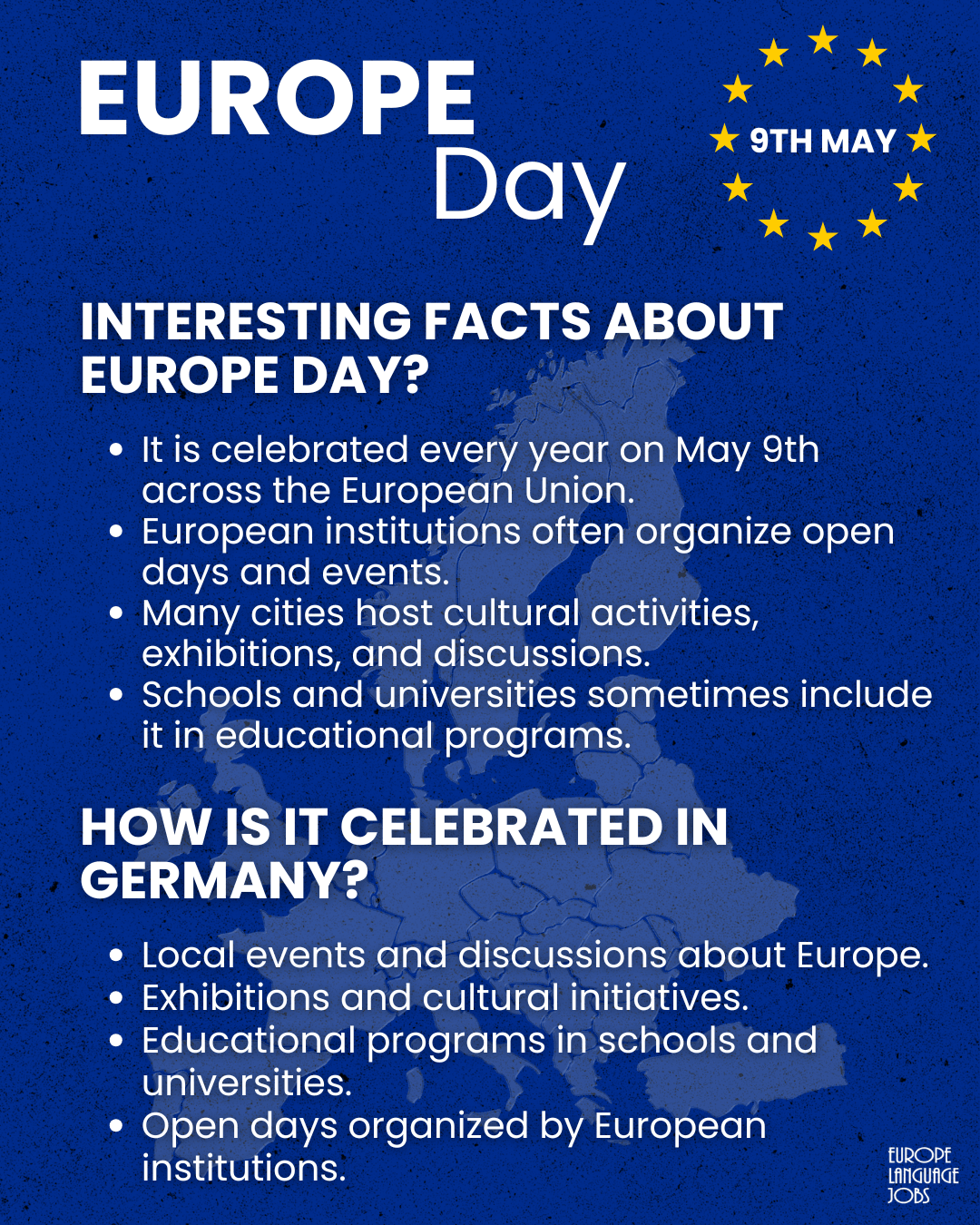
It is celebrated every year on May 9th across the European Union,
-
European institutions often organize open days and events,
-
Many cities host cultural activities, exhibitions, and discussions,
-
Schools and universities sometimes include it in educational programs.
However, one of the most interesting things about Europe Day is that there is not only “one way” to celebrate it.
Each country on the continent approaches it in a different way: some more actively, others more quietly. And this is where it hides the beauty of it!
Where is Europe Day a public holiday?
Europe Day is recognized across all European countries, however it is still not a public holiday everywhere.
Some nations acknowledge this date, taking it seriously, and even celebrating it with events or time off.
In others, it remains more symbolic: present in institutions as a more of a special day, but less visible in everyday life.
This variation reflects and speaks by itself on how differently each country connects to the idea of Europe as a shared identity.
Is Europe Day a holiday in Germany?
The short answer is: NO. It’s not an official public Germany’s holiday date.
Unlike national German holidays that are part of the official calendar, Europe Day does not come with a day off or widespread public celebrations here.
However, do not make assumptions that it goes unnoticed.
In many cities, institutions, and organizations, Europe Day is still recognized and discussed, just in a more subtle way without any big celebrations.
Why is it often overlooked as a “holiday” in Germany?
There are a few reasons why Europe Day doesn’t stand out in Germany’s holiday calendar the way other dates do.
First, Germany already has a well-established set of national and regional public holidays. These are deeply rooted in tradition and culture of the country, making it harder for newer or more symbolic dates to gain the same level of importance in this culture.
Second, Europe Day is less about celebration and more about retrospective reflection. It doesn’t have any strong traditions like food, rituals, or public events that naturally attract the attention of the masses.
As a result, it often remains in the background. It is still known and recognised, but not actively celebrated by most people. Therefore, this is why Germans didn’t put it as an official bank holiday for the nation.
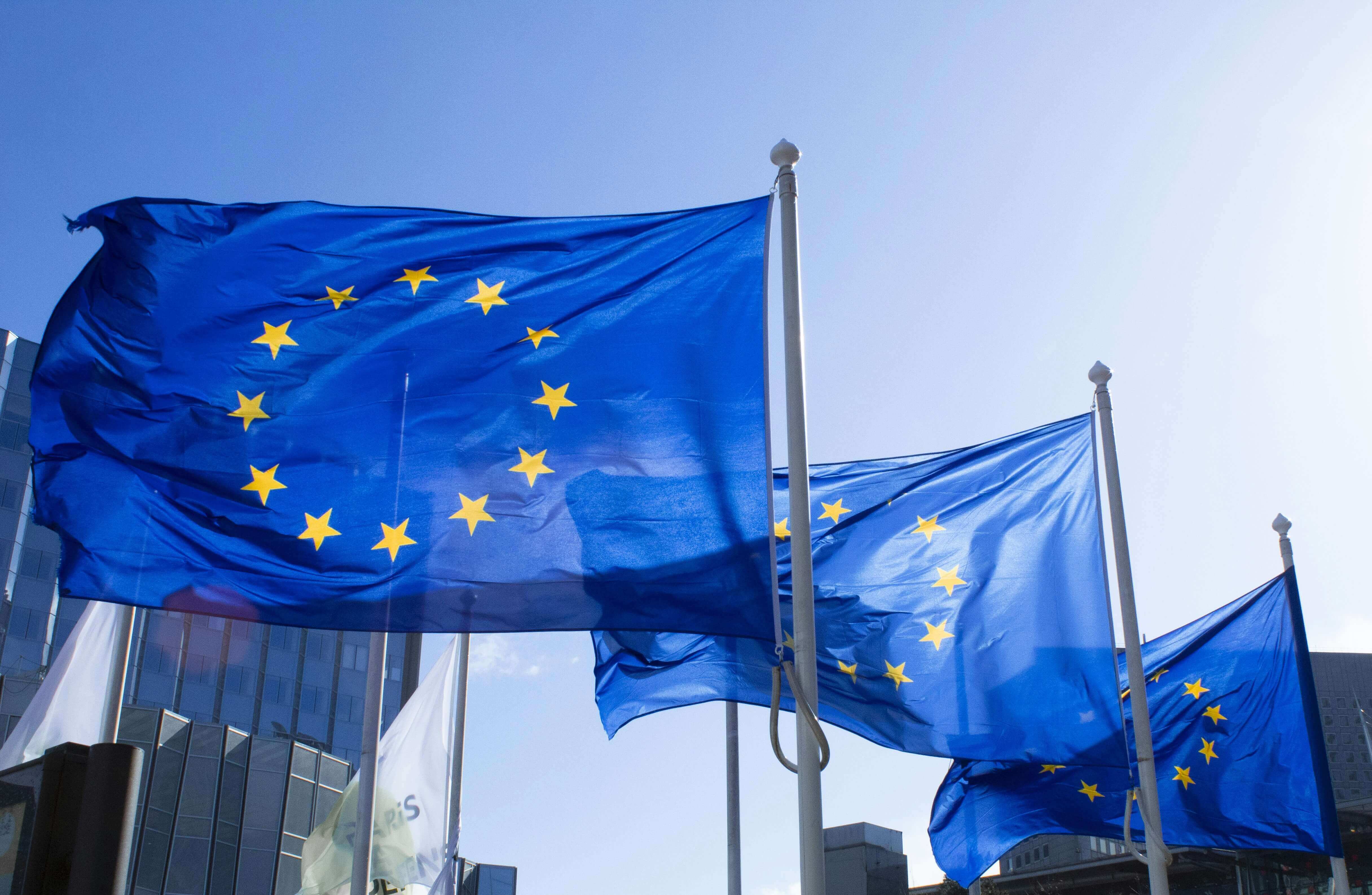
Europe Day in Germany today
Even without being an official holiday, Europe Day still has a presence in Germany’s celebrations list.
Of course, you’ll find it way more visible in certain environments: in cities, universities, and institutions connected to European initiatives.
It’s not something that stops daily life for big announcements, but it’s there for those who look for it!
Why does it still matter?
It doesn’t come as a secret to anybody that Germany plays a central role in the European Union, both economically and politically.
This is the reason why the ideas behind Europe Day, being cooperation, mobility, and shared opportunities, are highly relevant.
For many people, especially those studying, working, or moving across borders, Europe Day represents something practical: the ability to work, grow, and live in Europe, having the choice to move across different countries on the same continent.
Even if it’s not a public holiday, its meaning is very much part of everyday life of every EU citizen.
How is it observed and celebrated in Germany?
Europe Day in Germany is usually marked in quieter ways, such as:
-
local events and discussions about Europe,
-
exhibitions and cultural initiatives,
-
educational programs in schools and universities,
-
open days organized by European institutions.
There is no big noise around it, but if you look for ways to celebrate it, you will always find them.
Some cities may host small events or gatherings, but overall, it remains a low-key occasion compared to traditional holidays.
And maybe that is part of its identity: less about big celebrations, more about awareness.
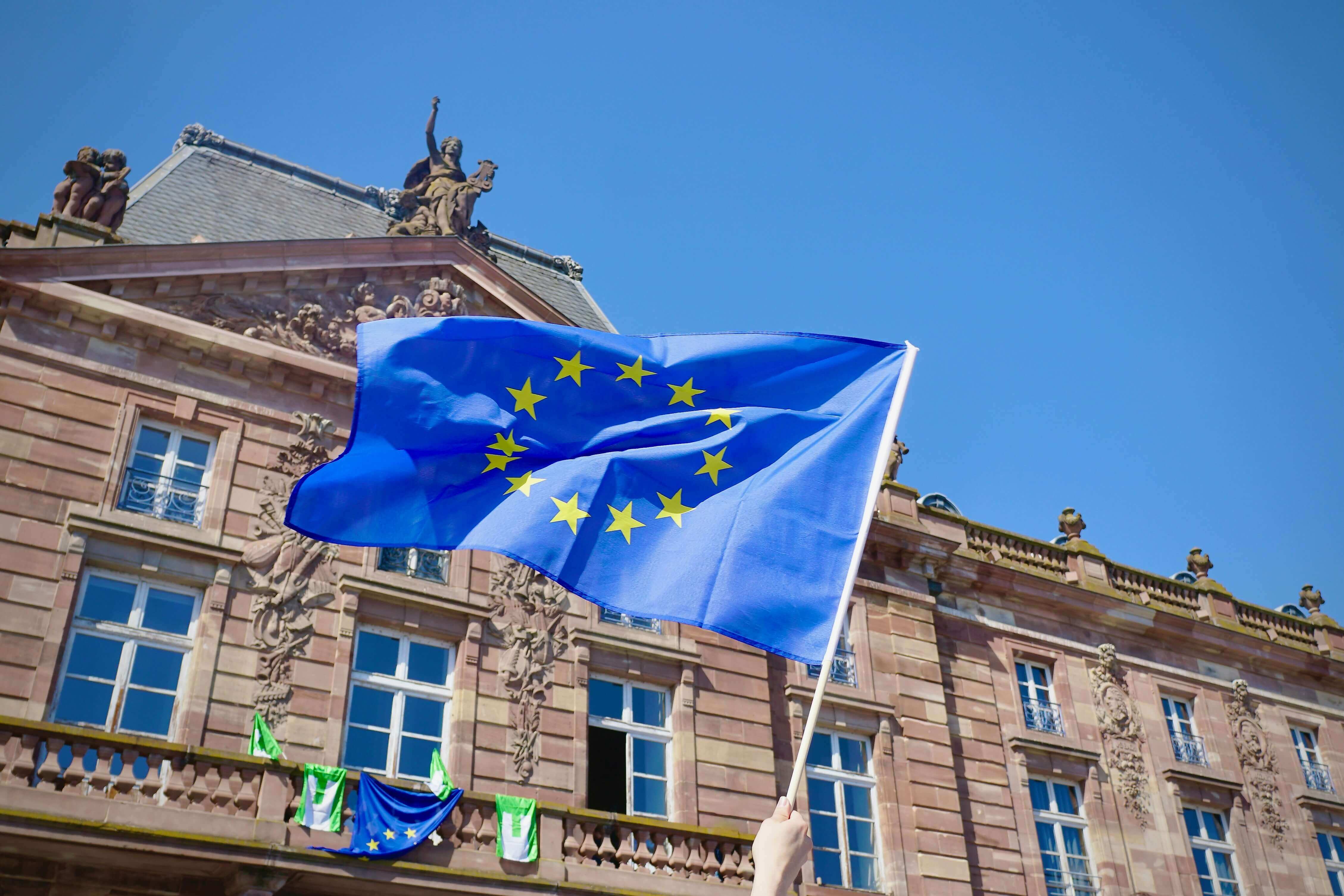
Europe Day: More than just a date in May
At first glance, Europe Day might seem like just another date on the calendar. It is not a day off, no major celebrations, no obvious impact on daily life.
But if you look a little deeper, it represents something much bigger than just a one day celebration.
It reflects the idea of a connected Europe, where people can move, work, and experience different cultures more freely than ever before.
So even if it’s not officially part of Germany’s holiday calendar, Europe Day still carries meaning.
And probably that’s the real point of having it as a special date.
Not every important day needs to be loud to matter.