





Most people assume that the end of summer is the best time to start looking and applying for a job, including for international jobs. However, waiting till autumn might mean missing opportunities, facing more competitions and having a harder time to find the right position for you. In the case of searching for jobs abroad, this would mean having less time to prepare for relocation and accommodate in your new home.
We’re going to discuss how to search for jobs abroad, how to apply and how to get the job you always dreamed of, in the country you always dreamed of!
Let’s begin!
Why Do So Many People Wait Until September to Apply for Jobs Abroad?
The reason why so many people wait until September to apply for jobs abroad is because they probably want to still enjoy summer holidays in the same way they did before. Another reason could be fear - fear from missing out important events from home or fear of not having a good time in the place they would relocate. They are both valid fears, moving abroad is not easy. However, there will always be an opportunity cost for every decision we make in this life. In this case, why not take a risk once in a while!?
Many young people follow universities that finish in the middle of summer or at the end of it. Since graduating it’s an important thing to be done in professional life, of course the majority will choose to have the last part of their student life all put together before going further with their career. Graduates will usually wait as well until after summer to go to work, since it’s very common to need and desire a bit of time to celebrate their accomplishments. In the meantime, it’s important to make use of your time and advance little by little using some career tips for graduates.
However, there is also a misconception that companies stop hiring during holidays. Well, this is not true. A lot of companies have positions open during summer, and this is why we think you should take advantage of that!
All of us fell into the mindset of “I’ll do it tomorrow” mindset and this kind of approach can occur without noticing even in job searching. “I’ll start from Monday” are just a few quotes everybody has used in their lifetime at some point. The truth is that you can start from 1st of September or 1st of January, but it’s to your advantage to start earlier!
The Truth About International Job Hiring During Summer
There is this perception about companies having a specific hiring season, usually being from January March. What a lot of people don’t know is that, if these hiring seasons actually exist, there is a second wave of hiring: from July to September. The third wave would be from late October to mid-November. These are considered to be the “open windows”, the times of the year when the applications are converted the most into interviews. However, this is just general knowledge, because, in reality, a lot of companies hire all year round. This will depend on the staff needed, if someone from the company changed their position and other administrative stuff like this. But getting a job out of the windows is not impossible. We think that applying for jobs, especially jobs abroad, in any time of the year, is to your advantage. You never know what opportunities stay behind the door!
Customer support, sales and tech roles often recruit continuously. Many employees start from entry-level roles and advance to leadership positions, which leave the previous jobs open. Nonetheless, companies that encourage internal promotions will most probably hire new talent to fill those vacancies. Furthermore, new times require new adaptations, which means diverse workforce needs: new languages needed in the company, regional expertise and even outsourcing.
What are Q3 and Q4 and why do we need to know about them?
In business and finances, Q3 and Q4 refer to the third and fourth quarters (3-month periods) of a 12-month year. In a standard year, Q3 is July to September (the second hiring period), and Q4 is October to December (the third hiring period). However, some companies use a “fiscal year” that begins in a month after January, which shifts their Q3 and Q4 dates.
It’s important to know about these terms, because, depending on the industry, hiring season can differ. Q3 might be, in theory, the summer holiday period when hiring can slow down, but at the same time, to be the open window for some specific jobs in Europe, such as tourism, hospitality and agriculture.
Applying the same logic to Q4, jobs in retail, e-commerce, consumer goods, accounting tend to open their hirings, including seasonal hirings due to seasonal demand.
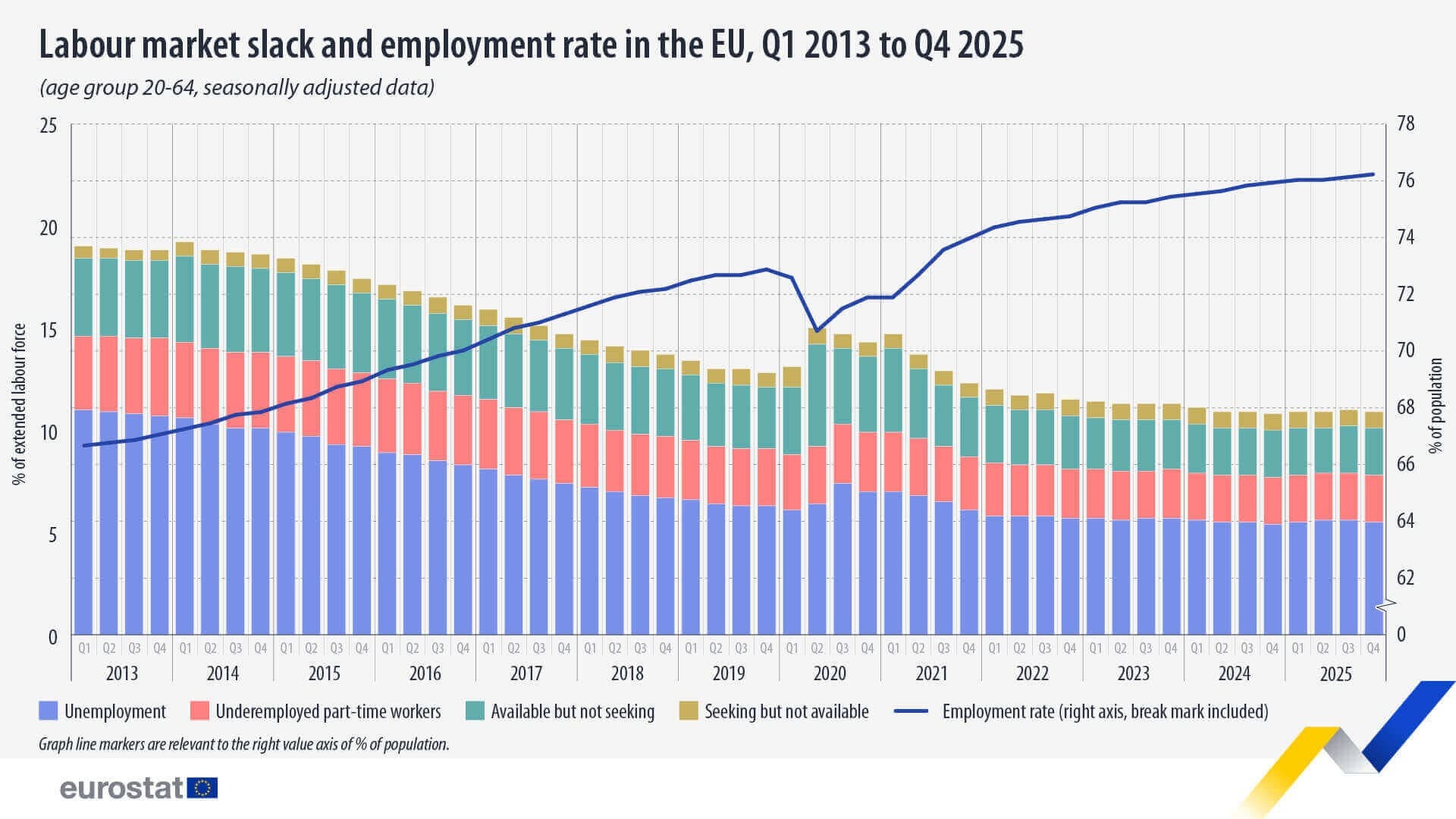
Over the past decade, hiring between Q2 and Q4 began to be more common.
Why Applying Earlier for Work Abroad Gives You an Advantage
Applying earlier to any job, either if it’s a job abroad or not, will definitely give you an advantage. Having less competition, more time to prepare for the job and for relocating, more opportunities to compare employers - these are all your advantages and good enough reason to start the search as early as possible to work.
Less competition
Let’s put it like this:
Everybody thinks applying to jobs during the summer holidays is not a good time. Therefore, this means fewer CVs in companies’ inbox and significantly less crowded pool for proactive applicants!
Additionally, you can always try to apply for traineeship offers, it's easier to get a full contract when you've been already an intern in the company! You can choose to do it in your gap year or just as your year abroad, learning more about what you're good at and what you actually want.
Moreover, while many people are on vacation, the hiring managers and recruiters who remain at their desks often have clearer, less-chaotic calendars with fewer operational fires to put out. This can give them more time to thoroughly review your application and fast-track interviews.
More time to prepare for relocation
Once you have decided you want to find your job abroad and receive an offer, make up your mind if you want it to be hybrid or remote - you can negotiate your start date, typically securing 4 to 8 weeks to transition. In this case, starting to search and apply for a job before September will give you valuable time to prepare for your move abroad.
Relocating to another country involves much more than accepting a job offer. You may need to research accommodation options, understand local healthcare systems, open a bank account, arrange transportation, and familiarise yourself with the culture of your new destination. By beginning your search during the summer, you can handle these tasks gradually rather than rushing through them at the last minute.
More Opportunities to Compare Employers
We know how stressful it is to look up for a job and either not finding anything, either having too many options to choose from. Ideally, probably the second scenario is the best one. If you find yourself in this situation, remember you’d always want to have more time to reflect on the decision that will change your life more or less. When it comes to work and moving, it's always better to plan it as detailed as possible.
Imagine you get more than just one job offer abroad in multiple destinations where you’d like to go, but you can’t choose that quickly where to go to work. You need to do some research, compare and only then you’ll be ready to make a decision.
Conclusion
If you’re thinking about working abroad in 2026, there’s no reason to wait until September to begin your job search. While many candidates postpone their plans until after the summer, companies across Europe continue hiring throughout the season, especially for multilingual and international roles.
By starting earlier, you increase your chances to get that job abroad quicker and easier!