






Speed decides who wins multilingual talent in 2026. SHRM's 2026 benchmarking survey puts the average time to hire at 44 days, which is 11 days more from 2021. Meanwhile, the strongest candidates accept offers within days of starting their search.
For language roles, the stakes climb even higher.
Here are some reasons why:
✔️ Smaller talent pools: only a limited number of fluent Finnish, Dutch, or Czech speakers are job hunting at any given moment.
✔️ Multiple parallel offers: in-demand language speakers often interview with three or four companies at once
✔️ Relocation timelines: candidates weighing a move abroad commit to the employer that organizes contracts and paperwork first.
Meaning, every extra day in your recruitment process gives competitors room to move first.
The good news is, faster hiring comes from smarter steps, and the eight tips below show you exactly where to begin.
Why Hiring Speed Matters for Language Roles in 2026

Image Source: Pin
The market for language talent moves quickly, while you need an average of 44 days to fill up a position. Multilingual hubs in Barcelona, Lisbon, Athens, and Dublin compete for the same pool of German, French, and Nordic speakers, and companies with lean processes sign candidates while slower teams are still arranging second interviews.
Speed also protects your budget, as the average cost-per-hire for non-executive roles goes up to $4,700. Every vacant seat means lost productivity, stretched teams, and overtime costs that build up week after week. Filling roles faster keeps projects on schedule and morale high.
Candidates notice pace, too. A quick, well-organized process signals a company that respects people's time, which strengthens your employer brand and lifts offer acceptance rates. Slow replies push applicants toward competitors who respond first.
Treat hiring speed as a company-wide goal rather than an HR metric alone. When managers, recruiters, and finance align on it, timelines shrink fast.
1. Write Sharper Job Ads for Multilingual Roles First
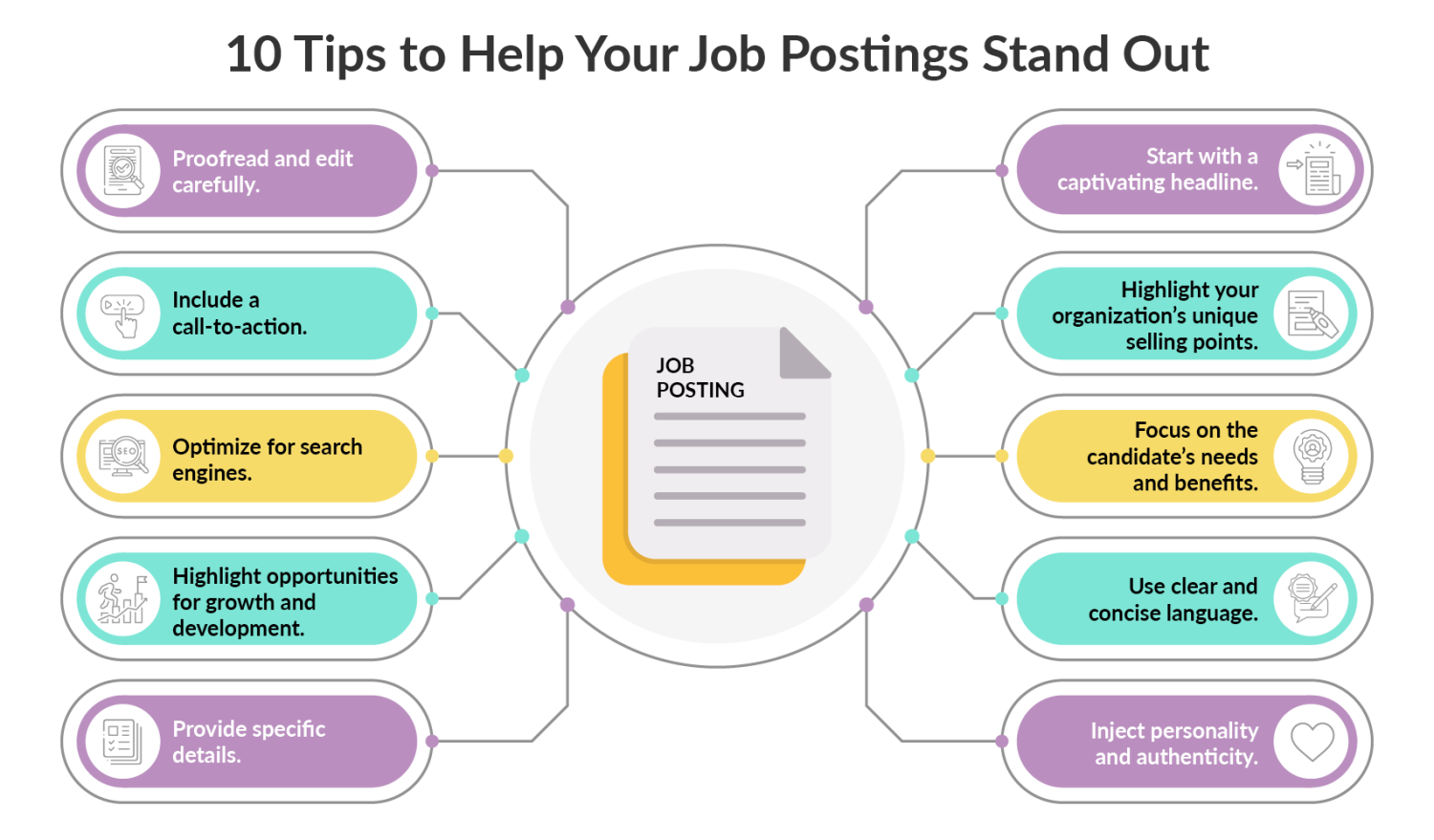
Image Source: Fundraising Letters
A precise job ad saves days of back-and-forth later. Vague descriptions attract hundreds of unqualified applications, and your team then spends a full week sorting through them.
Start with exact language requirements. State each language and the level you need, for example fluent German at C1 and conversational English at B2. Candidates self-select when expectations are clear, which raises the quality of every application.
Add salary ranges, relocation support, and remote or hybrid options. Language professionals often move countries for work, so details about housing help, flight reimbursement, or visa assistance answer their biggest questions upfront.
Close with a simple application flow. Ask for a CV and two or three short answers. Long forms push busy candidates away, while a five-minute application keeps your pipeline full.
2. Post Your Vacancies Where Language Talent Already Searches
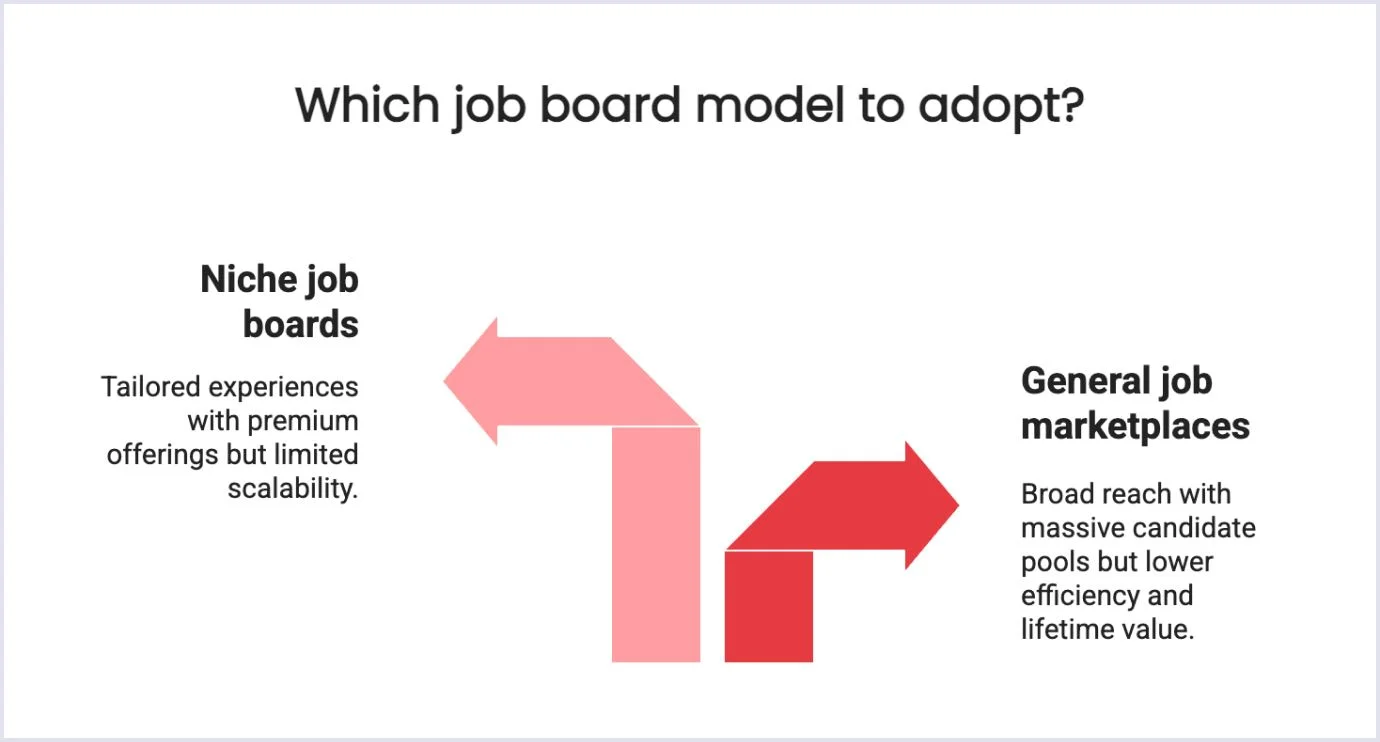
Image Source: Codica
Generic platforms bury language roles under thousands of unrelated listings. Niche job boards put your vacancy directly in front of people with the exact skills you need.
Specialized platforms attract candidates who filter by language, country, and sector, so every application arrives pre-matched to your core requirement. Employers can post language jobs on Europe Language Jobs and reach multilingual candidates across 48 European countries, many of them open to relocation.
Targeted reach shortens every later stage. Recruiters review fewer, stronger applications, screening moves faster, and interviews start sooner.
Combine niche boards with language-specific LinkedIn groups and expat communities for extra visibility. When your ad appears where French, Italian, or Polish speakers already spend time, sourcing shifts from weeks of searching to days of selecting.
3. Sort Out Cross-Border Compliance Before You Start Hiring
Legal setup often delays international hires more than sourcing does. Work permits, local contracts, and payroll registration can add weeks if you handle them after choosing a candidate.
Prepare the groundwork before publishing the vacancy. Map out which countries you can hire in, what contract types apply, and which documents candidates will need. With answers ready, your offer stage becomes a formality rather than a research project.
Employer of record services make this even simpler. Providers like Hire With Columbus handle compliant contracts, payroll, and benefits across borders, so you can hire a remote Portuguese speaker in Lisbon or a Czech speaker in Prague within days, with no need to open a local entity.
Sorted compliance also reassures candidates, since clear paperwork builds trust from the first conversation.
4. Screen Candidates Early With Smart Qualifying Questions
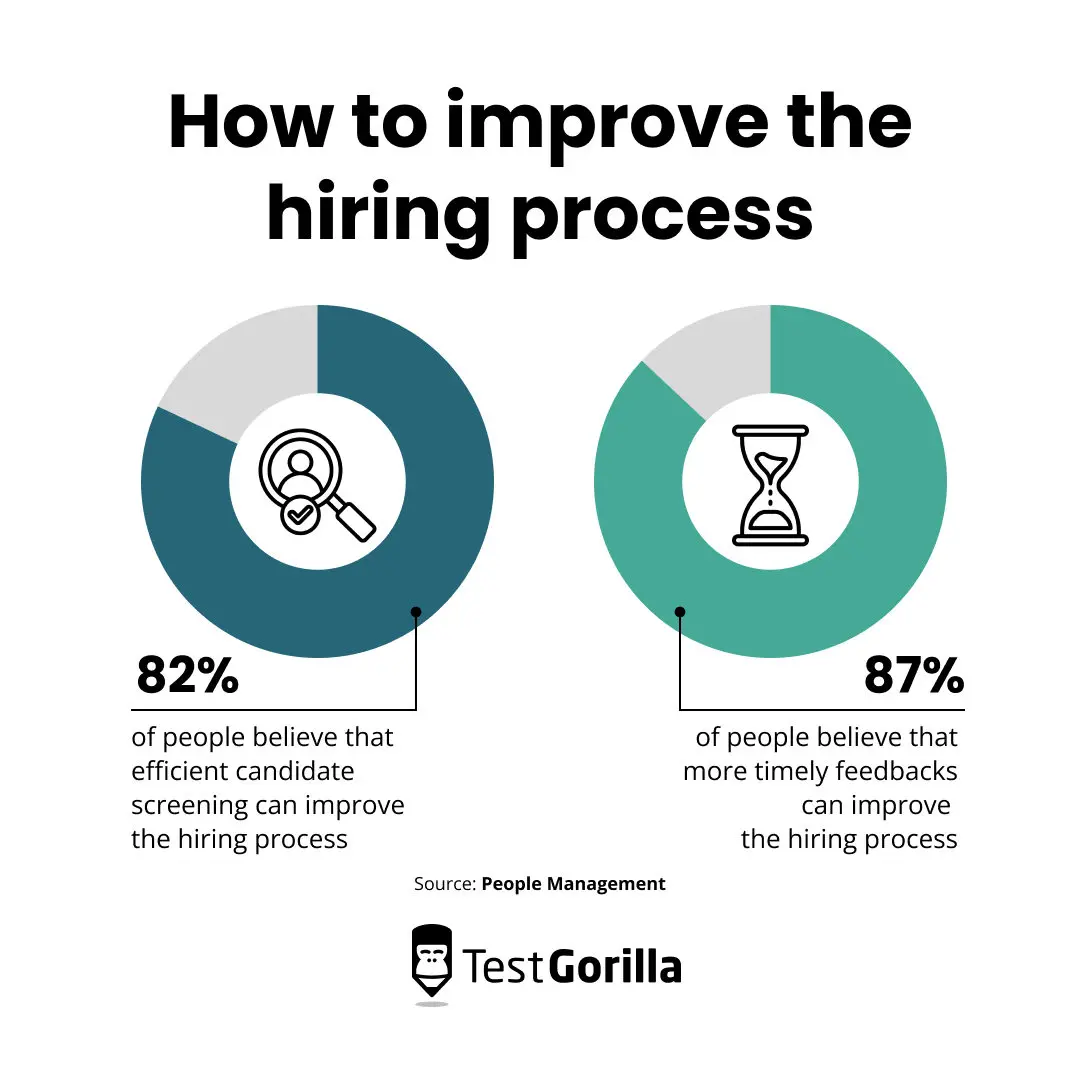
Image Source: TestGorilla
Early screening keeps weak-fit applications out of your interview calendar. A few smart questions at the application stage can replace an entire phone-screening round.
Build your form around answers that predict success:
-
Language proficiency: ask candidates to rate each language against CEFR levels
-
Location and relocation: confirm the candidate's current country and willingness to move
-
Availability: check notice periods and earliest possible start dates
-
Work authorization: verify the right to work in the target country
Well-designed screening questions filter your pipeline automatically, so recruiters open their dashboard to a shortlist instead of a pile. Keep the list short, four to six questions at most, and make each one a clear decision point. Review answers within 24 hours to keep momentum high.
5. Standardize Language Testing to Cut Extra Interview Rounds
Language checks often consume two or three interview rounds when a single standardized test could settle the question. Consistent assessments give every candidate the same fair measure and give your team instant, comparable results.
Choose one assessment method per language and apply it to every applicant for the role. Options include certified online tests aligned to CEFR levels, short recorded video responses, or a written task that mirrors real job duties, such as replying to a customer email in Swedish.
Run the assessment before the first live interview. Hiring managers then meet only candidates with verified skills, which cuts interview volume dramatically and shortens decision time.
Store the results in your ATS as well. Verified scores stay useful for future openings, turning today's applicants into tomorrow's fast hires.
6. Build a Ready Talent Pool of Multilingual Candidates
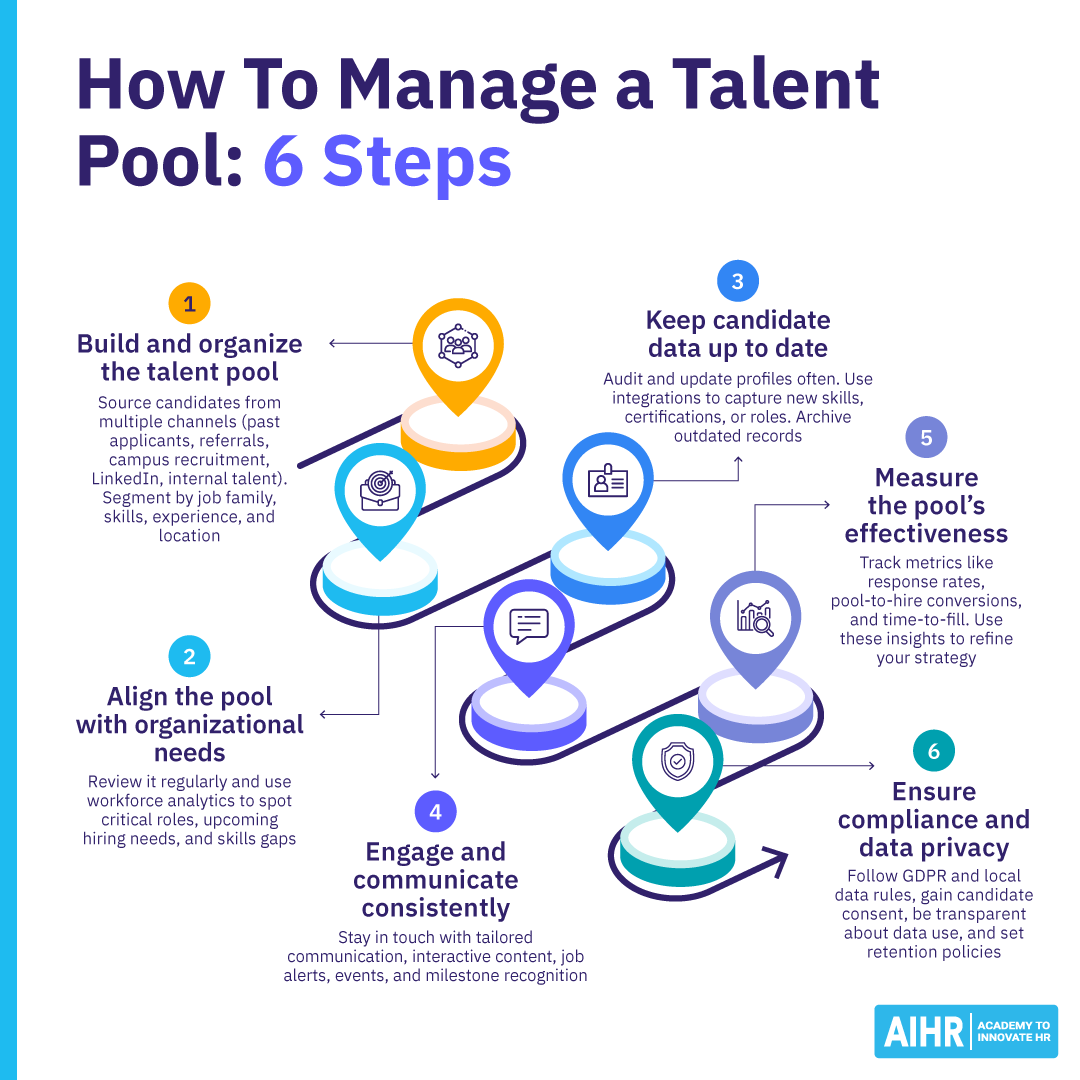
Image Source: AIHR
Hiring gets dramatically faster when the search starts before the vacancy opens. A ready pool of pre-qualified language speakers turns recruitment into a matter of matching rather than sourcing.
JobScore's 2026 recruitment report found that organizations with pre-built talent pipelines hire twice as fast and see three times higher offer acceptance rates. Numbers like these come from simple habits practiced consistently.
Save strong silver-medalist candidates from past processes, tag them by language and location, and stay in touch quarterly. Invite promising people who applied for filled roles into a talent community with updates on future openings.
Browse candidate databases proactively, too. Thousands of professionals searching multilingual jobs update their profiles weekly, so recruiters can shortlist qualified speakers the same day a role gets approved.
7. Automate Scheduling and Keep Every Candidate in the Loop
Administrative gaps between stages quietly add days to every hire. Automation closes those gaps and keeps candidates moving forward around the clock.
Set up these workflows first:
-
Self-service scheduling: send calendar links so candidates book interviews instantly, across time zones
-
Automatic status updates: trigger emails when applications advance, keeping candidates warm
-
Template libraries: prepare offer letters and follow-up messages in multiple languages
-
Reminder nudges: prompt hiring managers when feedback sits unwritten beyond 24 hours
Interview scheduling consumes a huge share of recruiter time, and automating it frees your team for conversations that need a human touch.
Keep the personal element for moments that matter most, such as offer calls and final interviews. Candidates appreciate fast systems paired with warm, genuine interactions at decisive points.
8. Turn Your Multilingual Team Into a Referral Engine
Your current multilingual employees know exactly where to find people like themselves. Former colleagues, university friends, and expat communities form networks that recruiters rarely reach through ads alone.
The payoff is measurable. According to MSH's 2026 recruitment trends report, referral hires are the fastest path, hired 55% faster than candidates from traditional sourcing, and they tend to stay longer once onboard.
Make referring effortless. Share open roles in internal channels every week, provide a one-click referral form, and let employees forward vacancies written in their native languages.
Next, reward speed as well as success. Offer bonuses when a referral gets hired and small perks simply for submitting quality candidates. A Spanish-speaking agent who brings in three qualified friends deserves recognition, and public praise keeps the engine running.
Common Bottlenecks That Quietly Stretch Your Hiring Timeline
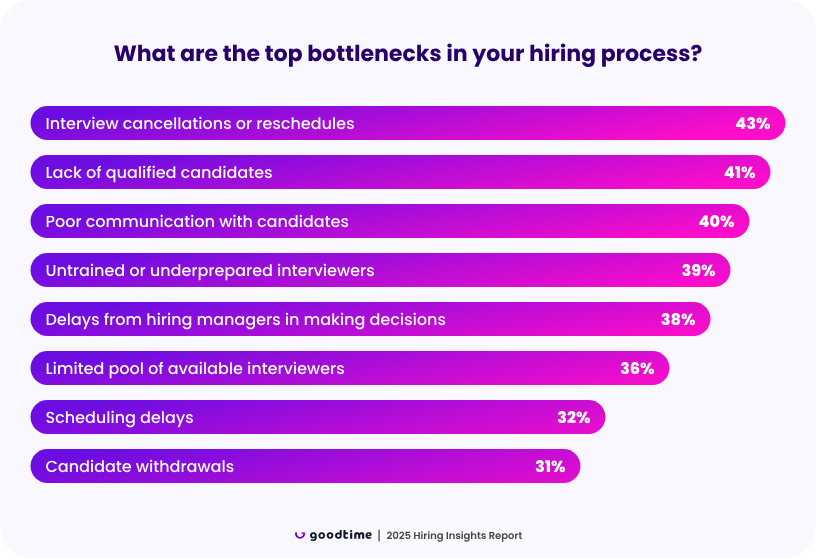
Image Source: GoodTime
Fixing delays starts with finding them. Most language recruitment teams lose time in the same predictable places, and each one has a straightforward remedy:
-
Slow internal approvals: pre-approve headcount and salary bands each quarter so roles go live immediately
-
Too many interview rounds: cap the process at three stages and combine assessments where possible
-
Delayed feedback: agree on a 24-hour rule for completing interview scorecards
-
Sequential interviews: run panel conversations so several stakeholders meet the candidate at once
-
Slow offer sign-off: give recruiters pre-agreed salary ranges to extend offers on the spot
Audit your last ten hires and note where each one spent the most days. Patterns will appear quickly, and solving your single biggest bottleneck often saves a full week per hire.
Benchmark Your Hiring Timeline Against 2026 Industry Standards
Improvement needs a baseline. Measure your time to hire from application to accepted offer, then compare your numbers with current market data to set realistic targets.
Industry benchmarks for 2026 give useful context:
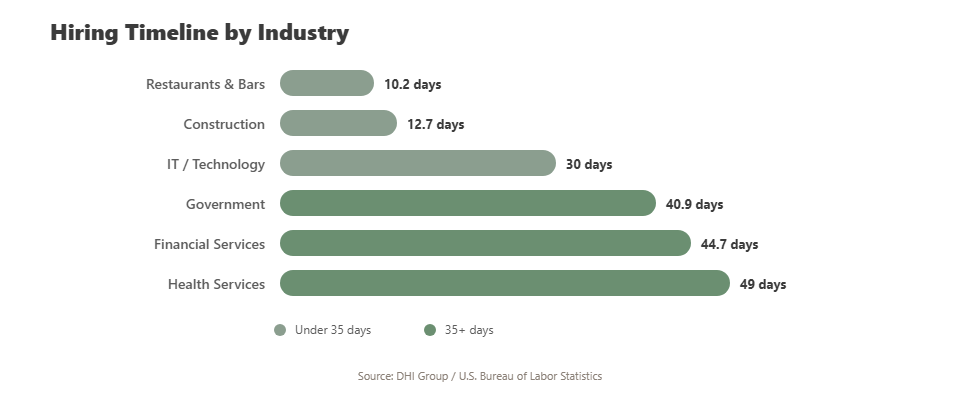
Image Source: Pin
Language-focused roles in customer service, sales, and support usually sit near the faster end of the scale, so aim to beat these averages.
Track each stage separately: posting to application, screening, interviews, and offer. Review the numbers monthly, celebrate wins with your team, and set a fresh target every quarter.
Speed Up Multilingual Hiring One Fix at a Time
Reducing hiring time for language jobs comes down to preparation and focus. Write precise ads, publish them on niche platforms, sort compliance early, and screen with purpose before the first interview. Standardized language tests, warm talent pools, automation, and employee referrals then compress every remaining stage.
Pick one tip and apply it to your next vacancy this week. Small changes compound quickly, and a process trimmed from 44 days to 30 transforms your ability to sign top multilingual talent while competitors are still scheduling calls.
Fast hiring builds a reputation, and a strong reputation attracts the candidates every company wants in 2026.
Author Name: Ben Hadley
Author Bio: Ben doesn’t buy into “the way it’s always been done.” He’s spent his career challenging hiring norms and rethinking how remote work should feel. At Remployee, he helps create honest tools and opportunities for people tired of the gig economy’s empty promises.