





In the 2026 Atlas Corporate Relocation Survey, 46% of companies reported that more employees turned down a move than the year before. Family ties, housing worries, and the cost of starting over topped the list of reasons.
For anyone eyeing a job abroad, that shift says something useful: the offer letter alone stopped being enough.
People want to know:
-
who pays for the flight,
-
who files the visa paperwork,
-
and where they sleep during week one.
Employers who leave those answers vague tend to lose strong applicants at the final stage.
This guide breaks down what a full relocation package can include, and what candidates now expect before they say yes.
What are the benefits of relocation?
Relocation support works in two directions. For candidates, it removes the financial gamble of moving countries before the first payslip arrives.
For employers, it opens a hiring pool that stretches well beyond the local market, which matters in sectors where the right skills sit in another country entirely.
Finding a job before moving also lowers the stress of settling in, since HR can guide you through the paperwork.
So what does a strong package look like in practice? The seven expectations below cover the areas candidates ask about most, running from visa sponsorship through to a flexible start date.
1. Handling visa and immigration sponsorship
Source: Schengen Visa Info
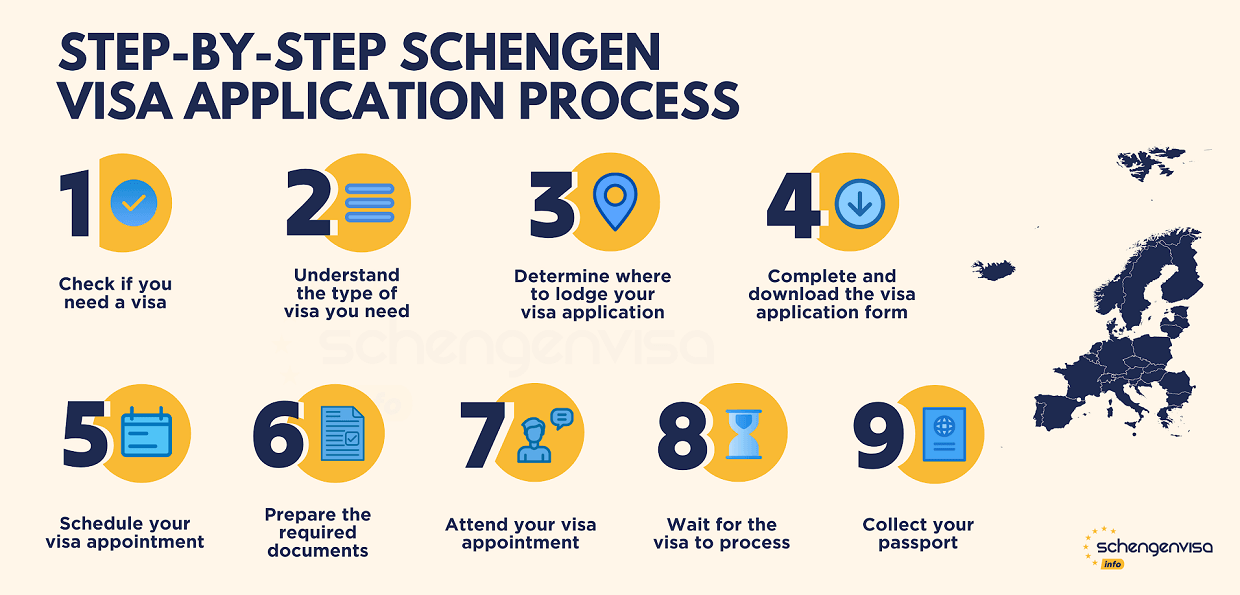
There are nine steps to get your Schengen visa for working in the EU. Would you be the one that completes each by yourself, or your employer will handle all of it. This is why the visa sponsorship sits at the top of the list for non-EU candidates.
Without it, everything else in the package stays theoretical. Candidates want to know if the employer is a registered sponsor, who covers the fees, and how long approval can take.
Germany dominates here, as a 2026 analysis of nearly 4,815 relocation-friendly tech roles found 1,218 of them based in Germany, roughly a quarter of the total, with Berlin alone accounting for 696. The EU Blue Card and the points-based Opportunity Card give employers there a clearer path than most countries offer.
One warning worth repeating: some ads promise "relocation support" while requiring you to already hold a work permit. Read the fine print. If you are weighing up relocating to Germany, ask directly if the role includes sponsorship or only moving costs.
2. Covering the costs of transportation
Source: SE Oklahoma University
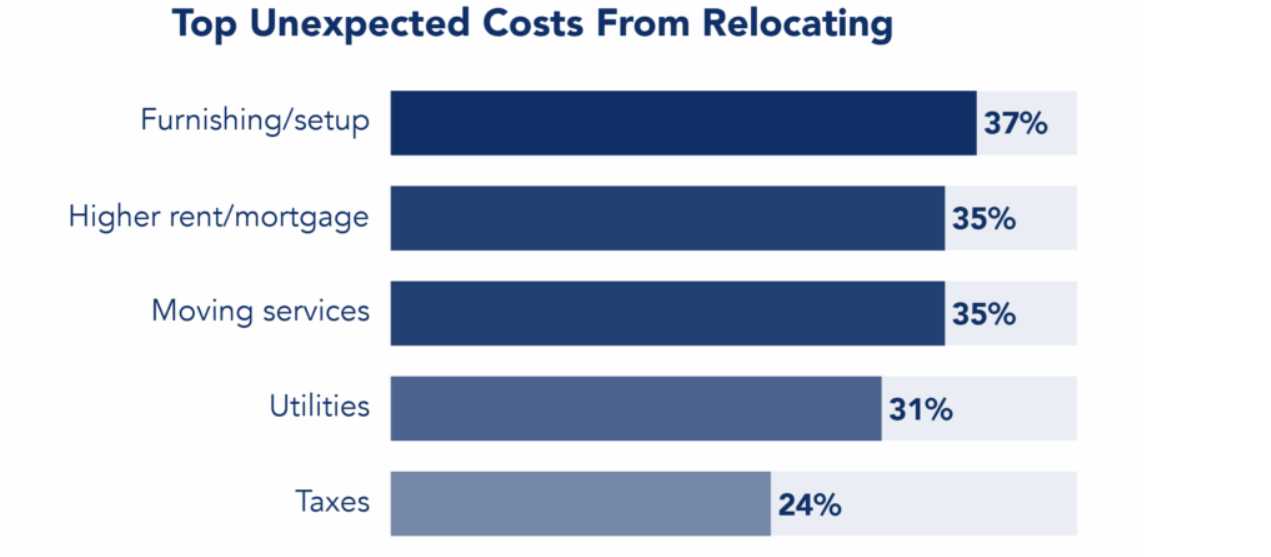
Flights, shipping, and that first taxi from the airport add up fast, and international moves cost far more than domestic ones. Candidates want clarity on what gets reimbursed, and when.
Most European packages cover some mix of:
-
One-way flights for the employee, sometimes for a partner or dependants
-
Excess baggage or a shipping allowance for household goods
-
Airport pickup and a transfer to temporary accommodation
-
Travel to visa appointments, including embassy trips at home
Concentrix, formerly Webhelp, reimburses the plane ticket for international hires joining its Portuguese sites, an arrangement that is common across the contact centre sector.
The detail that trips people up is timing. Reimbursement after 30 days can leave you fronting a month of costs, so clarify who pays directly and who reimburses. Anyone planning a move abroad should budget for that gap either way.
3. Offering help with temporary housing
Housing is where relocations stall. Deposits in cities like Amsterdam or Dublin can swallow several months of salary before you hold a local bank account, and landlords often want a payslip you cannot yet produce.
Employers who handle this well tend to offer one of three things: company-arranged accommodation for a fixed period, a housing allowance, or a paid house-hunting trip.
Concentrix in Portugal, for example, offers new international hires shared accommodation for six months at a modest monthly rate, which buys people time to find their own place.
Ask about the handover point. What happens in month seven? A candidate who has not lined up a permanent lease by then can end up scrambling in an unfamiliar rental market. Anyone relocating to Portugal or elsewhere should treat temporary housing as a deadline rather than a solution.
4. Helping with cultural integration

Source: SE Oklahoma University
Paperwork gets finished within weeks. Fitting into a new country takes considerably longer. Culture shock is a well-documented pattern rather than a personal failing, and employers who acknowledge it tend to keep people longer.
Practical support usually looks like subsidised language classes, a buddy system, and local onboarding that covers registration, healthcare, and how the tax office works.
Managers matter here too. A team lead who explains that Dutch directness carries no hostility, or that Spanish lunch hours run late, can save a new hire weeks of confusion. For a preview of the bumps, our piece on the difficulties moving abroad covers the most common ones.
5. Payroll and tax advisory
This is the least glamorous item on the list and the one candidates underestimate most. A gross salary that looks generous in one country can shrink after local deductions.
Take the Netherlands. Its expat scheme lets employers pay part of a qualifying salary tax-free, and from 1 January 2027 that share drops from 30% to 27%, though staff recruited before 2024 keep the older rate.
Cyprus takes a different route, granting a 50% income tax exemption to new residents earning above €55,000.
Systems vary sharply: running payroll in Finland involves a personal tax card that sets your withholding rate individually, which catches out people used to fixed brackets.
Candidates increasingly expect a conversation about the net figure, not only the gross. If the employer cannot arrange that, a paid hour with a local tax adviser can pay for itself.
6. Salary Increase
Source: SE Oklahoma University
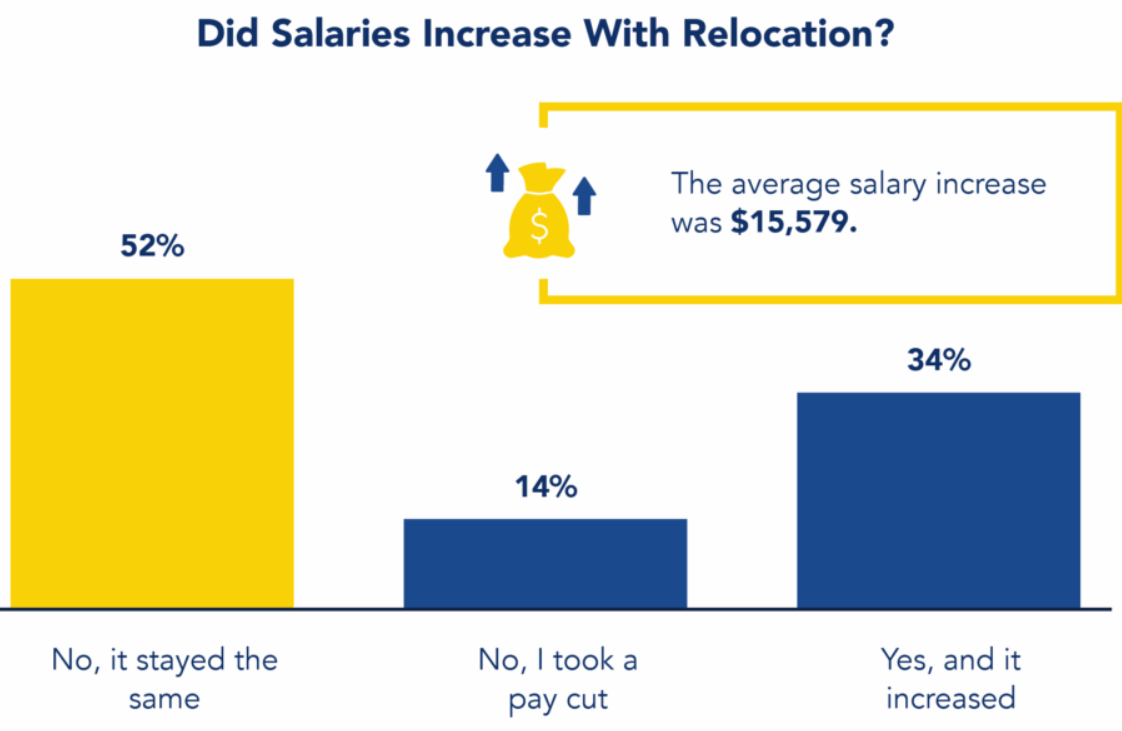
Moving countries for the same number on a payslip makes little sense once cost of living, tax, and lost seniority enter the picture. Candidates increasingly treat relocation as a moment to renegotiate, and immigration rules often back them up.
Several European permits carry salary floors that employers have to meet. Germany's EU Blue Card requires €50,700 gross a year in 2026, dropping to €45,934.20 for shortage occupations.
The Dutch Highly Skilled Migrant route sets €5,942 gross a month for applicants aged 30 and over, excluding the 8% holiday allowance. Those figures give you a defensible floor before you even open the conversation.
Compare the offer against local rents and net pay rather than the number back home. Roles on our job board often list salary bands by country. A 20% raise into a 40% more expensive city is a pay cut.
7. Flexible start date

Source: Corporate Relocation Today
Work permits run on government timelines, not hiring timelines. A candidate can sit on an offer for months while an application waits in a queue, and a rigid start date can sink the whole arrangement.
Flexibility shows up in a few ways:
-
A start date tied to permit approval rather than a fixed calendar day
-
Room for notice periods, which can stretch to three months in parts of Europe
-
Allowance for school terms if children are moving too
Employers who respect flexibility tend to lose fewer candidates at the final hurdle, and candidates who raise it early tend to get one.
Reading the package before you pack
A relocation package tells you a lot about an employer before you ever meet the team. Companies that have thought through visas, housing, tax, and the awkward gap between arrival and the first payslip have usually done it before and plan to do it again. Vague answers point the other way.
Ask for the details in writing. Ask what happens if the permit takes longer than expected, who covers the cost if it does, and what the clawback terms look like.
None of these questions make you difficult. They mark you as someone who reads the contract, which most employers respect more than enthusiasm alone.
Author Name: Ben Hadley
Author Bio: Ben doesn’t buy into “the way it’s always been done.” He’s spent his career challenging hiring norms and rethinking how remote work should feel. At Remployee, he helps create honest tools and opportunities for people tired of the gig economy’s empty promises.